AGP Executive Report
Last update: 4 days agoIn the last 12 hours, coverage touching Tunisia’s health and public-welfare priorities was relatively prominent, though much of the broader “wellness” content was international or general-interest. A key Tunisia-specific item was the Municipality of Tunis rebutting claims that stray-dog “hunting” is being carried out randomly, saying instead that collections follow an organised and humane protocol: dogs are transferred to a sterilisation centre for veterinary care, then moved to a facility affiliated with Belvédère. In parallel, the health-tech angle appeared via Moonlight AI’s €2.8 million Seed round to turn routine blood and cytology imaging into genomic insights—a development that aligns with precision diagnostics, even if not Tunisia-only. Other last-12-hour items included a health/psychology framing around a newly coined phobia (“atimiaphobia”), and a cautionary tone around diet trends (though the detailed diet warning text is provided from earlier in the range).
Also in the last 12 hours, several items connected to regional health readiness and medical capacity, but they were not Tunisia-focused. A multinational Medical Readiness Exercise tied to African Lion 26 concluded in Senegal, with U.S., Senegalese, and allied medical teams reporting training outcomes and interoperability gains. Separately, there were reports about Iran offering assistance to commercial vessels in the Strait of Hormuz and about UAE air-defense interceptions—not wellness topics per se, but they reflect the wider environment in which health and safety planning often operates.
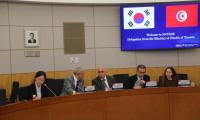
Across the broader 7-day window, Tunisia’s biomedical and health-system modernization themes become clearer and more consistent. Multiple articles point to genomic sequencing progress: Tunisia is described as having achieved a “major step forward” after completing its first large-scale operational test of an advanced sequencing system (NovaSeq X Plus), and earlier coverage also frames Tunisia as accelerating genomic medicine with a national first. There is also continuity in health-sector governance: a parliamentary committee hearing is reported as reviewing a draft law to establish a general status framework for the health sector, aiming to modernise the legal structure and improve efficiency.
Finally, the range includes a strong public-health caution thread. Dr. Leila Alouane warns against restrictive or unconventional diets—specifically noting the danger of stopping life-saving medications for chronic conditions and highlighting the risk for people who require insulin (type 1 diabetes). In the same general period, Tunisia-related health workforce and system concerns appear in coverage about workplace absenteeism, with reported estimates for public and private sectors and calls for better monitoring and policy responses. Taken together, the evidence suggests Tunisia’s coverage is balancing (1) biomedical capability-building (genomics/diagnostics) with (2) preventive and system-level health safeguards (medication safety, health-sector regulation, and absenteeism impacts).
Note: AI summary from news headlines; neutral sources weighted more to help reduce bias in the result.